
Empowering Patient Autonomy in Hospitals
Product Design, UX/UI Design
Date
Sep 2025 to Nov 2025
Project Type
Academic Studio Project
Team
Me
Nelson Zhen
Liam Nacson
Skills
UX/UI Design
Product Design
User Research
Tools
Figma
Overview
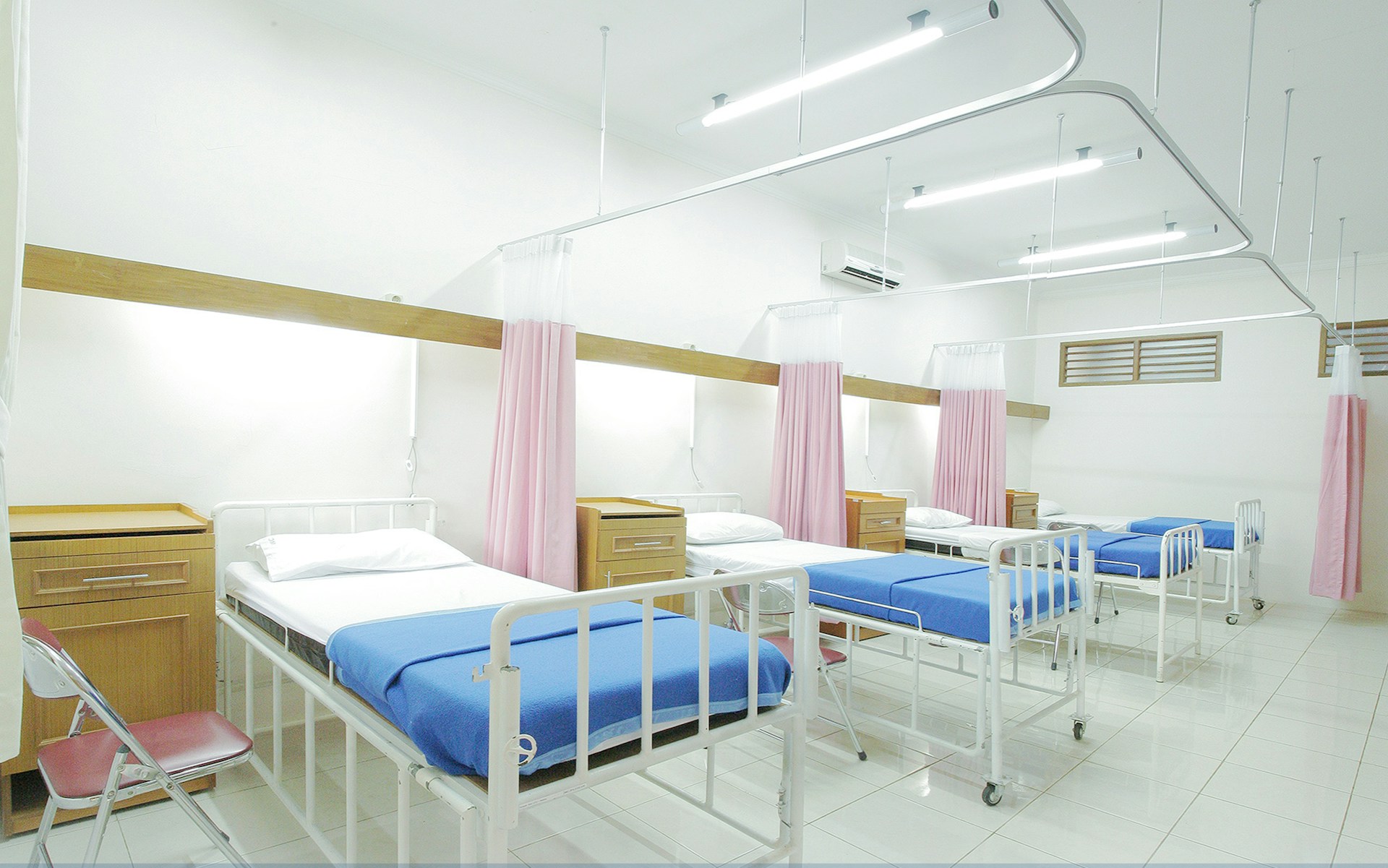
Hospitals are complex and stressful environments. For many patients, uncertainty and lack of clear communication can make an already vulnerable experience worse.
In exploring hospital experiences, we set out to identify a meaningful patient experience gap.
Initial research pointed to boredom and environmental discomfort. However, interviews revealed a deeper issue: patients did not feel kept in the loop about their own care.
Our research ultimately focused on patient autonomy and communication clarity within hospital settings.
“
I've been lying on my bed, I don't understand whats going to happen next, feeling no control and hopeless. The nurse told me something about an MRI scan but I didn't really understand what she said. I feel I don't understand anything!..
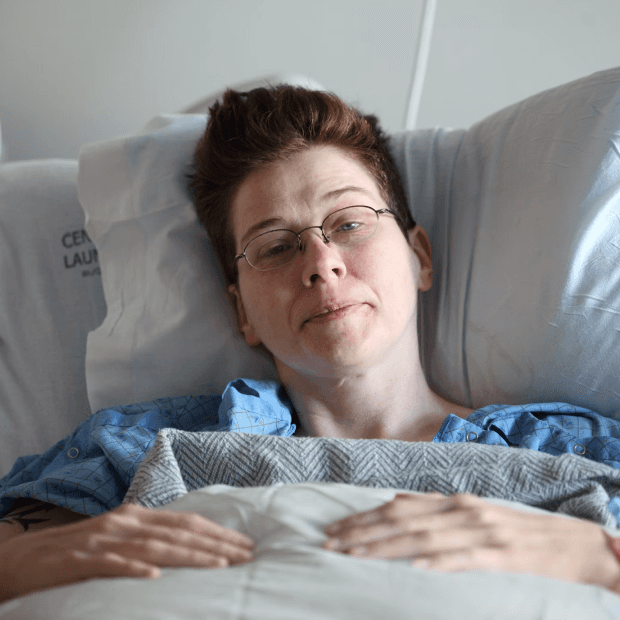
Beckie
Needs
Clear updates on what is happening next
Simple explanations before consenting to care
Struggles
Agrees to treatment without fully understanding
Waits in uncertainty with no visibility into next steps
“
…I feel like I wasn't kept in the loop
– Interview Participant
The journey for Beckie describes what many patients in the research showed, feeling uncertain, uninformed and powerless during their hospital stay
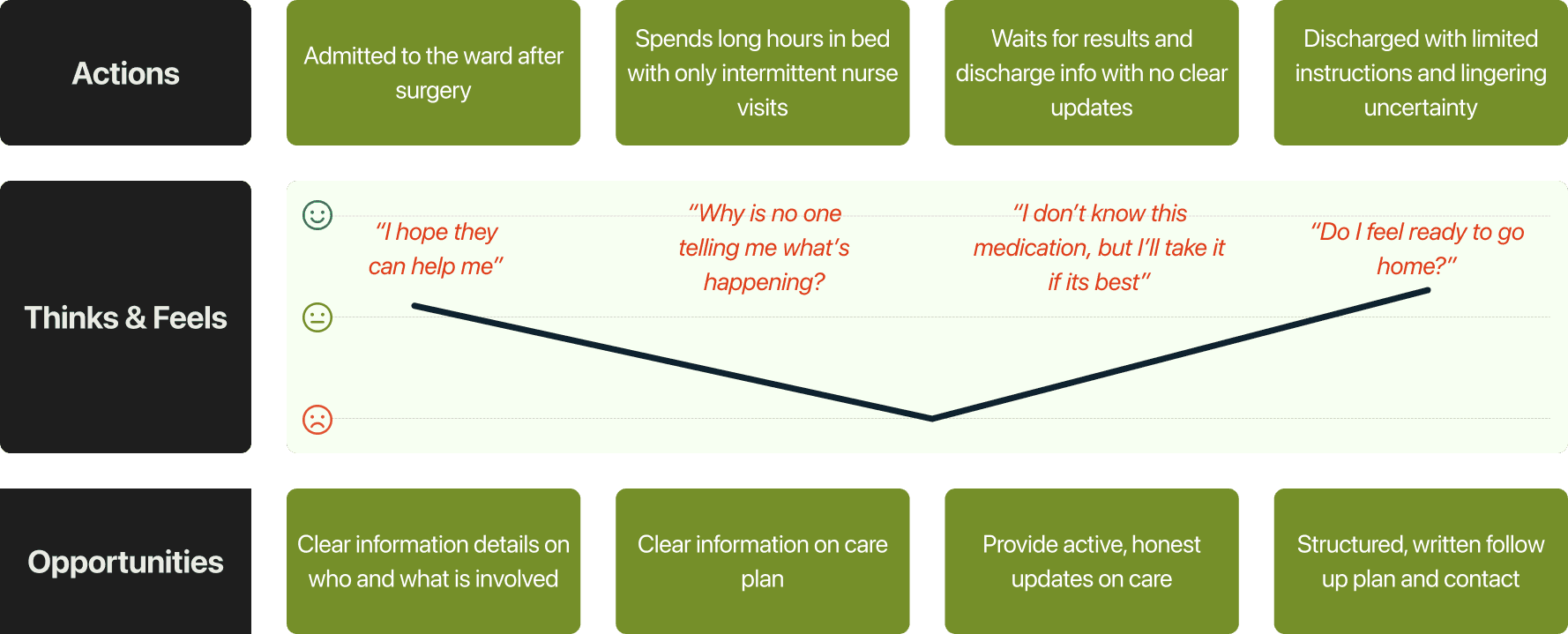
Beckie's User Journey Map
Insight
Across interviews, surveys, desk research, and a focus group, a consistent pattern emerged: patients frequently felt excluded from decisions about their own care.
Limited clarity and time-pressured interactions led many to accept treatment without confidence or full understanding.
This was not simply a matter of comfort, but of autonomy.
Synthesis
Miscommunication
Assumptions between staff and patients create gaps in understanding.
“Long periods of waiting in between steps, long process”
Survey Respondent
“You struggle to accept it because you don't know what's going on. There isn't that clarity. There isn't that awareness.”
Focus Group Participant
Lack of Autonomy
Patients feel decisions are made for them, rather than with them.
“I spoke to the nurses… they listened to my concerns… but nothing was really changed.””
Interview Participant
“I know you're qualified… but I don't know if I'm going to be better or worse after this.”
Interview Participant
Lack of Information
Long periods without updates heighten anxiety and uncertainty.
“As a nurse, you might be in a rush… You just assume that the patient knows what's happening with them, but they might actually not.”
Interview Participant
“The medicine… I'm still not clear… they explain it poorly, but I just say yes… you're confused, but you just agree.”
Interview Participant
Problem Statement
Patients often feel powerless in hospital due to a lack of clear, continuous information and meaningful involvement in their care.
When communication is limited or unclear, they remain silent, accept treatment without full understanding, and feel overlooked when concerns are not actioned.
Over time, this increases anxiety, dependence, and erodes trust in their recovery.
How Might We
How might we provide patients with clear and timely information so they feel informed rather than anxious during waiting periods?
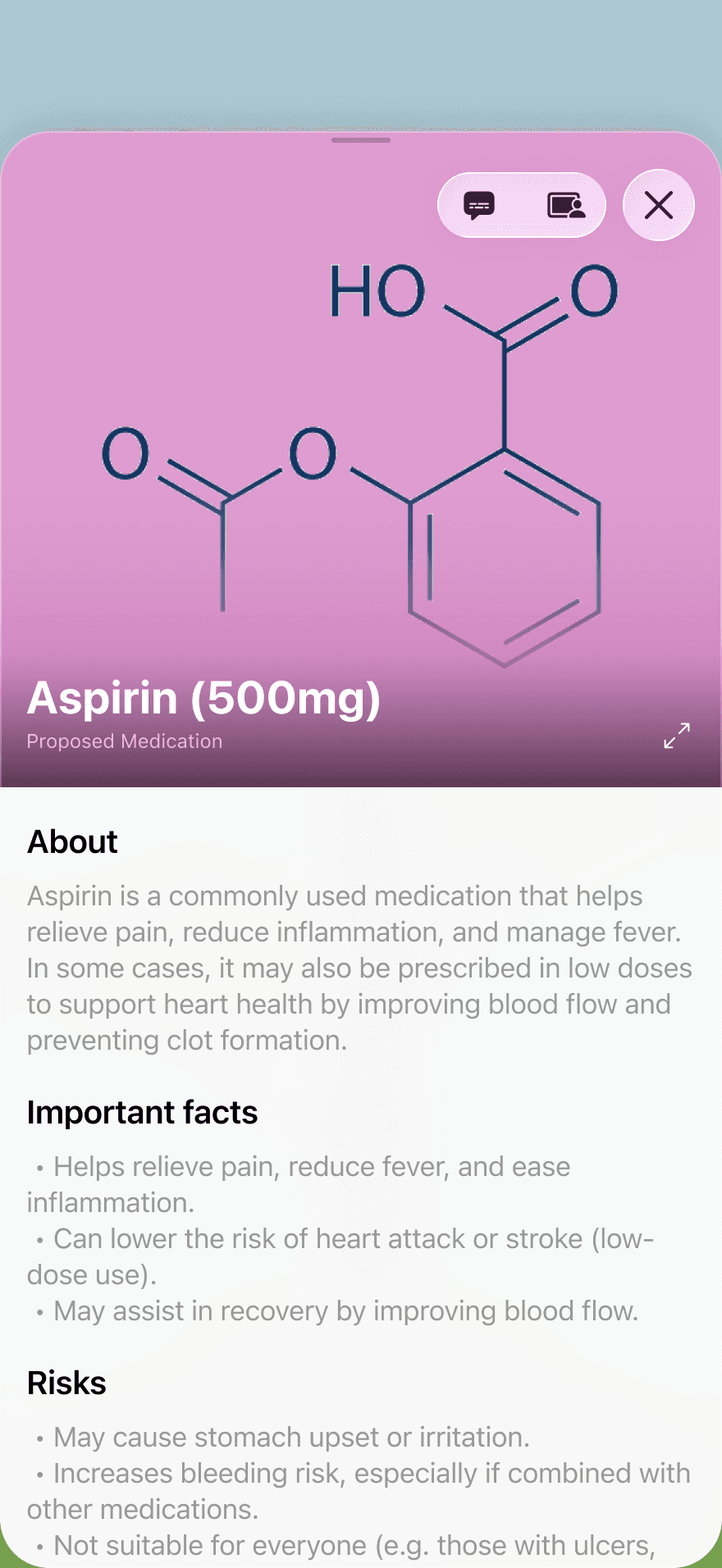
How might we ensure patients understand treatments and medications before consenting?
How might we give patients meaningful ways to participate in their care?
Reframing Our Focus
"
Being bored wasn’t my highest priority at the time. I didn’t feel like I was kept in the loop
– Interview Participant
"
Is technology enough for your boredom?
To me, yes, it is enough. But what more can you even ask for? It's different for everyone.
– Focus Group Participant
Before arriving to our problem statement, early research explored boredom and environmental discomfort within hospital stays. However, as interviews progressed, communication clarity and autonomy emerged as the more urgent issue. We shifted our focus accordingly, from reducing boredom to empowering patients through transparent, participatory communication. It became clear that stimulation was not the issue, but was as a result of lack of autonomy and clear, transparent communication towards patients.
Our Solution
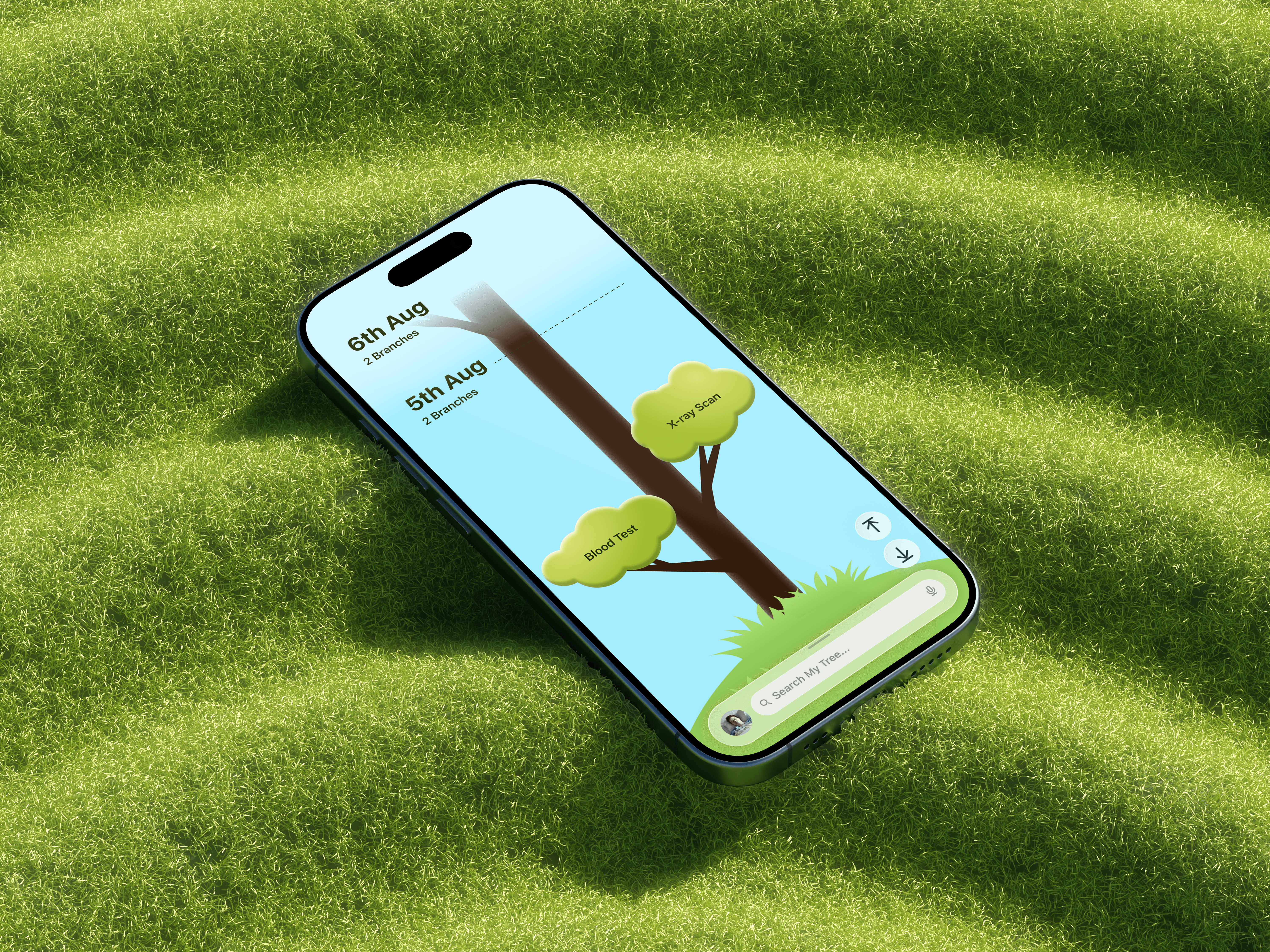
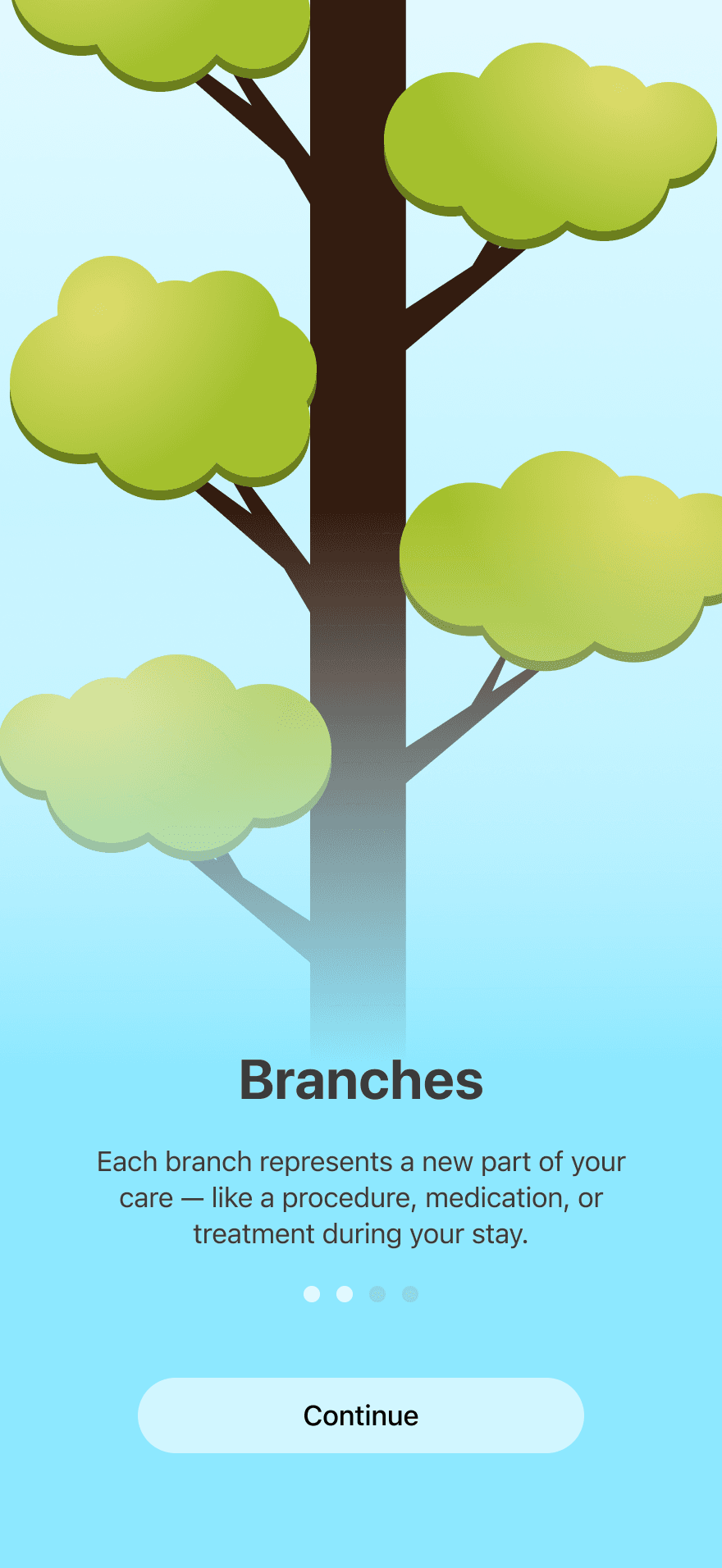
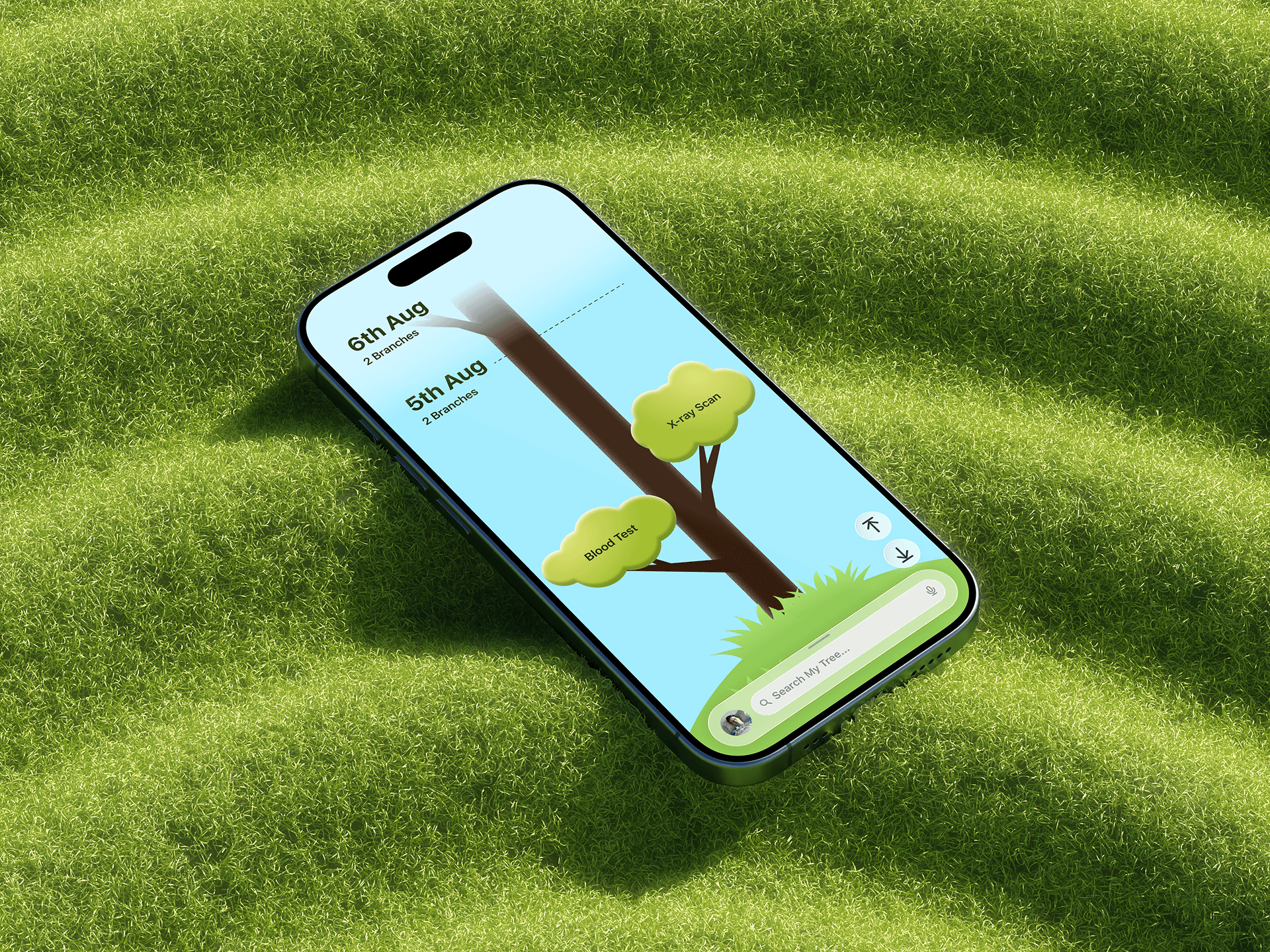
MyHealthTree
A personal companion helping patients stay informed, keep track and be in control of their hospital stay.
How it works
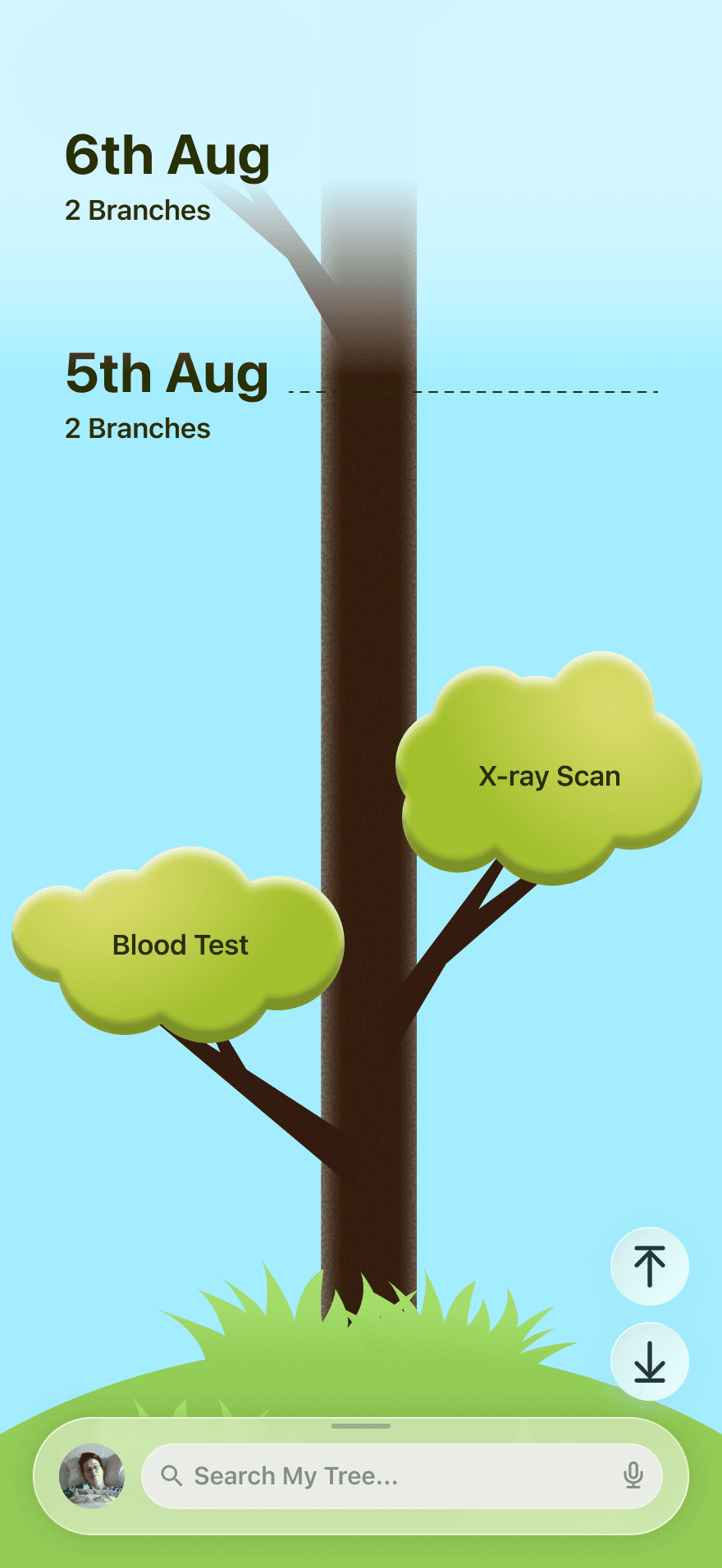
Your Tree
Each patient has a personal tree that visualises their hospital journey.
Every medication, procedure, or update grows a new branch, creating a clear, living record of care.
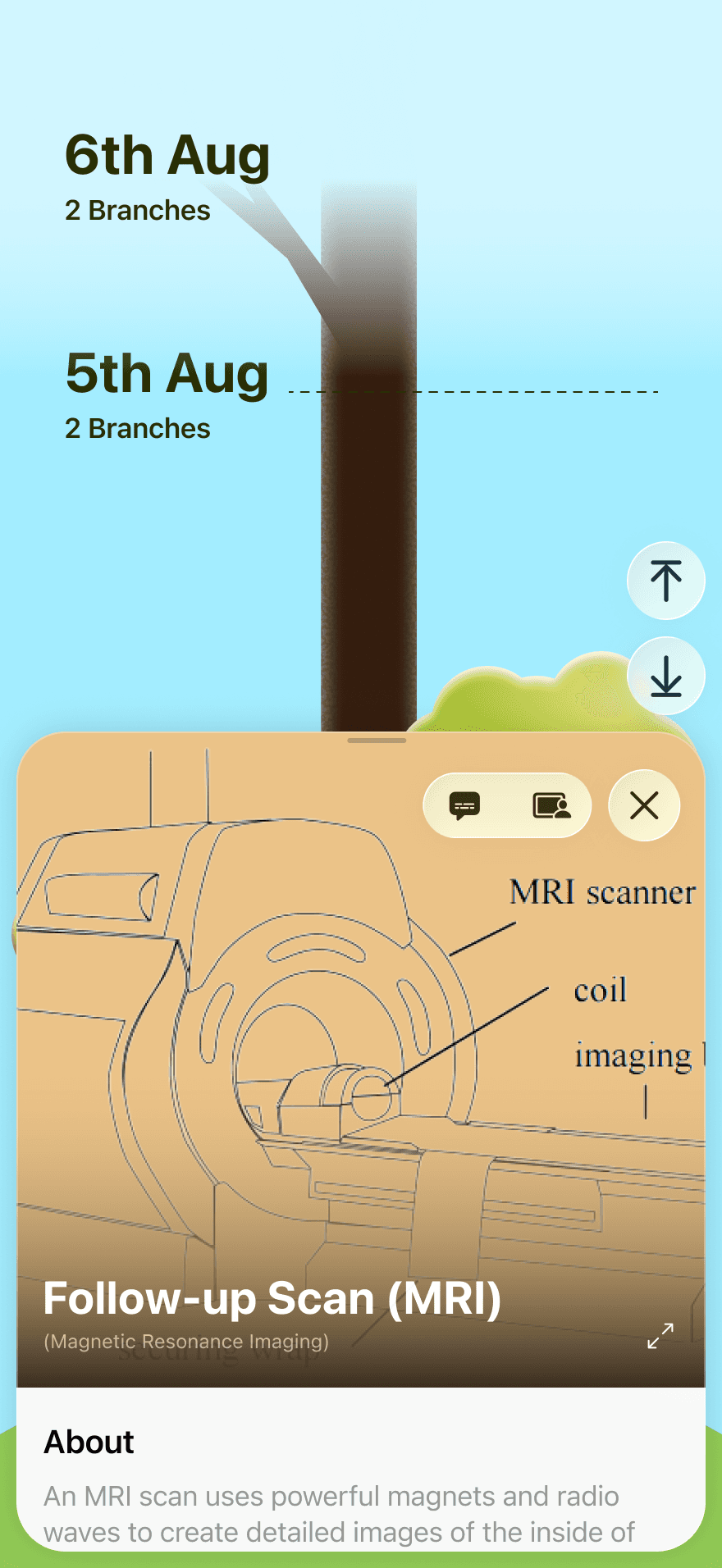
Understood
Patients can acknowledge that they understand the information tied to each branch.
Once confirmed, a timestamp is recorded, creating clarity for both patient and staff.
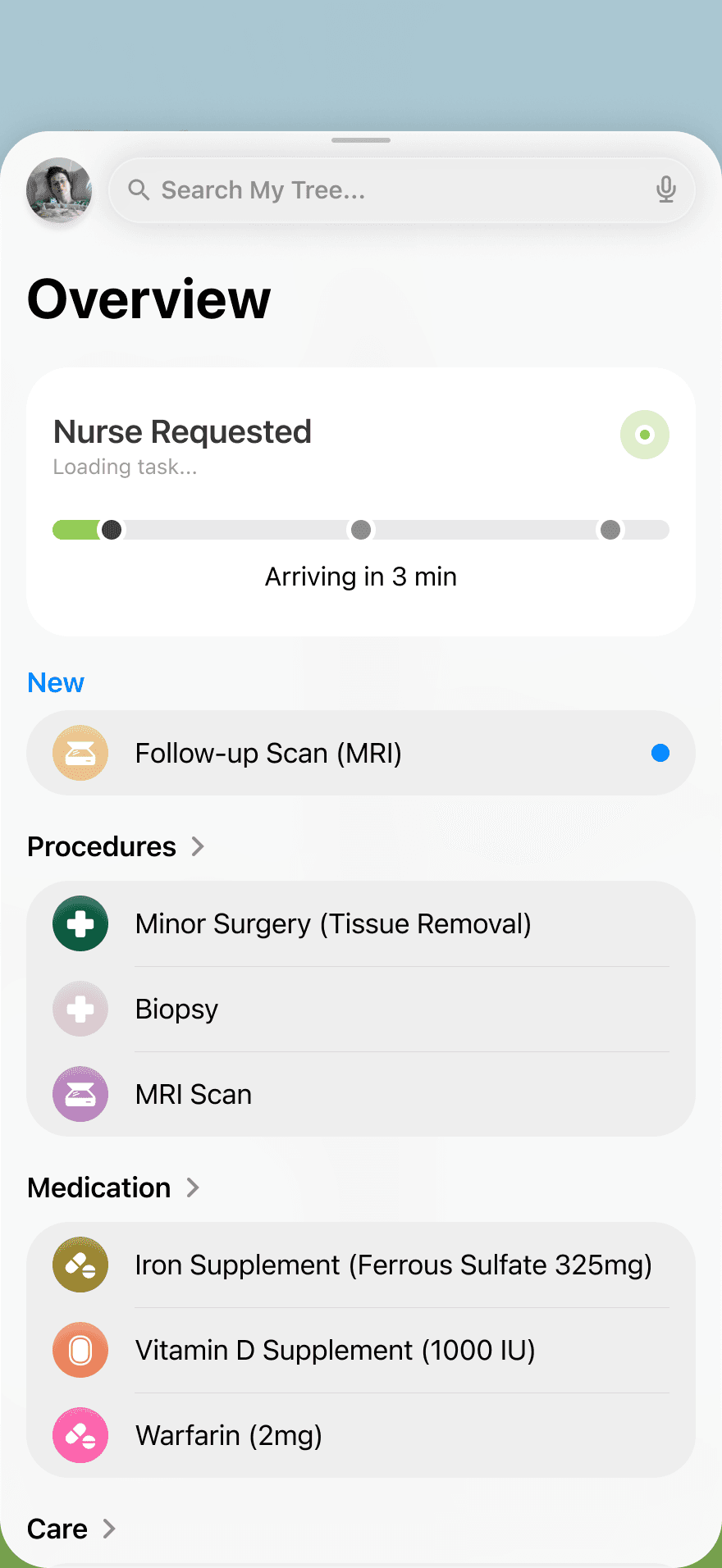
Follow-up
If something is unclear, patients can request a nurse follow-up directly from the branch.
This creates a structured way to ask questions without feeling like a burden.